The medieval maze under the castle: fado, laundry lines, 300 steps to your door, and no straight streets.
Alfama is the tangle below the Castelo de São Jorge that the 1755 earthquake largely spared, which is why it has no grid and no logic. Rua de São Miguel and Rua dos Remédios are the closest things to main streets; everything else is a beco or an escadinha — dead-end alley or staircase — and Google Maps will confidently route you up steps that end at somebody's front door. Getting lost here is not a charming idea, it is the default condition, and the first two days are genuinely disorienting. After that something clicks and you start navigating by the smell of grilled sardines and the sound of a particular dog.
It is also, honestly, half museum. Whole staircases have gone to short-term rental; some of the older residents left long ago and rents pushed out more. But the neighbourhood is not dead: laundry still hangs across Beco do Carneiro, there are still men playing cards outside the mercearia on Rua de São Pedro, and during the Festas de Santo António on 12-13 June the entire district cooks sardines on the pavement and drinks until 4am. If you want one week in Lisbon and one district to feel, this is the one people mean.
At 9pm Alfama is dark, warm-lit and quieter than you would expect. Fado houses on Rua dos Remédios and around Largo do Chafariz de Dentro open their doors around 8pm and the singing carries down the alleys; the miradouros at Portas do Sol and Santa Luzia hold a few dozen people with beers from the kiosk. By midnight it is close to silent apart from cats and the occasional tram grinding uphill. Rooms facing the tram 28 route on Rua das Escolas Gerais are the exception — those rattle from 6am.
Skip Alfama if you have heavy luggage, a bad hip, small children in a pushchair, or an early flight — a taxi cannot reach most addresses and you will be walking the last 200 metres uphill over cobbles. Take it if you accept those terms in exchange for waking up in the most atmospheric quarter of the city, eight minutes downhill from Baixa and ten from Santa Apolónia station.
Where to sleep
The practical zone is the lower fringe: Rua dos Bacalhoeiros, Rua da Alfândega, Campo das Cebolas and the bottom of Rua da Madalena, where taxis reach the door and you are on the flat. Expect €80-130 in January and €160-260 in high season for a decent guesthouse, and €300-plus for the handful of restored palacete hotels around Portas do Sol. Higher up, around Rua de São Miguel, Rua de São Pedro and Largo de São Miguel, prices drop but stairs multiply — ask the host, in writing, exactly how many steps from the nearest street a car can stop on. Avoid rooms directly on the tram 28 route unless you sleep through anything, and avoid anything advertised with a castle view that turns out to be a 15-minute climb from Baixa in each direction.
Where to sleep
Hotels in Alfama
Rated by real guests, not pulled off a spreadsheet. Rates run the same or better than booking direct, and every booking funds one tonne of carbon removal.
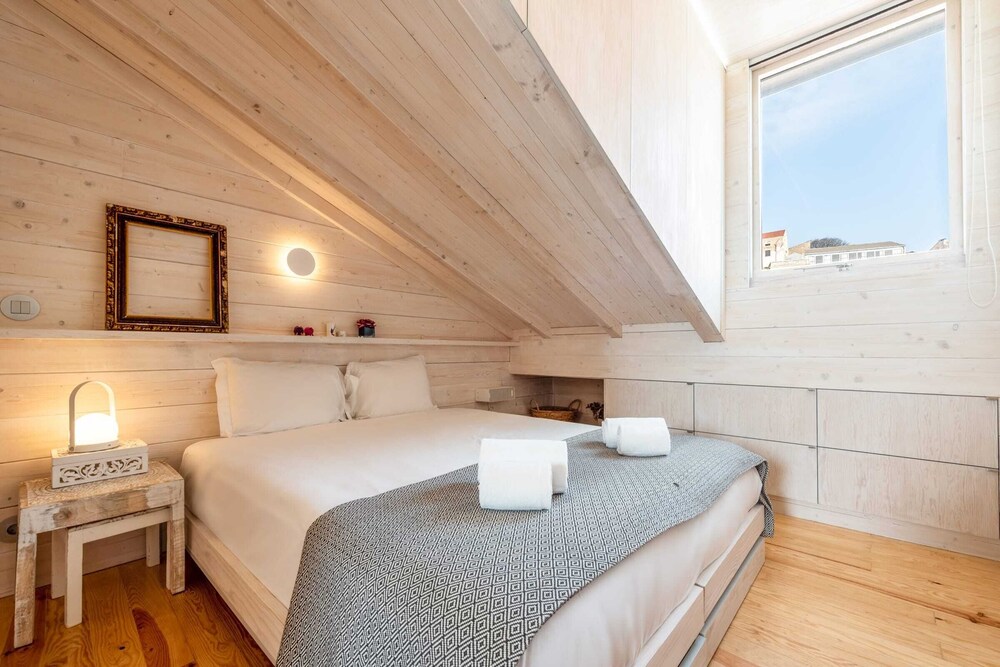 ★ 4.0
★ 4.0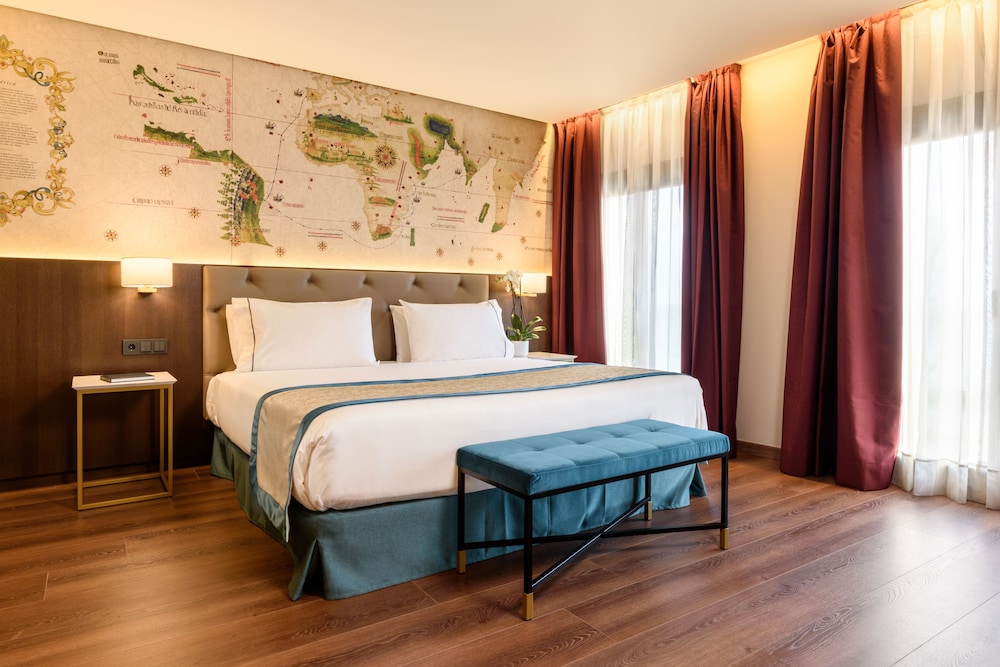 ★ 4.0
★ 4.0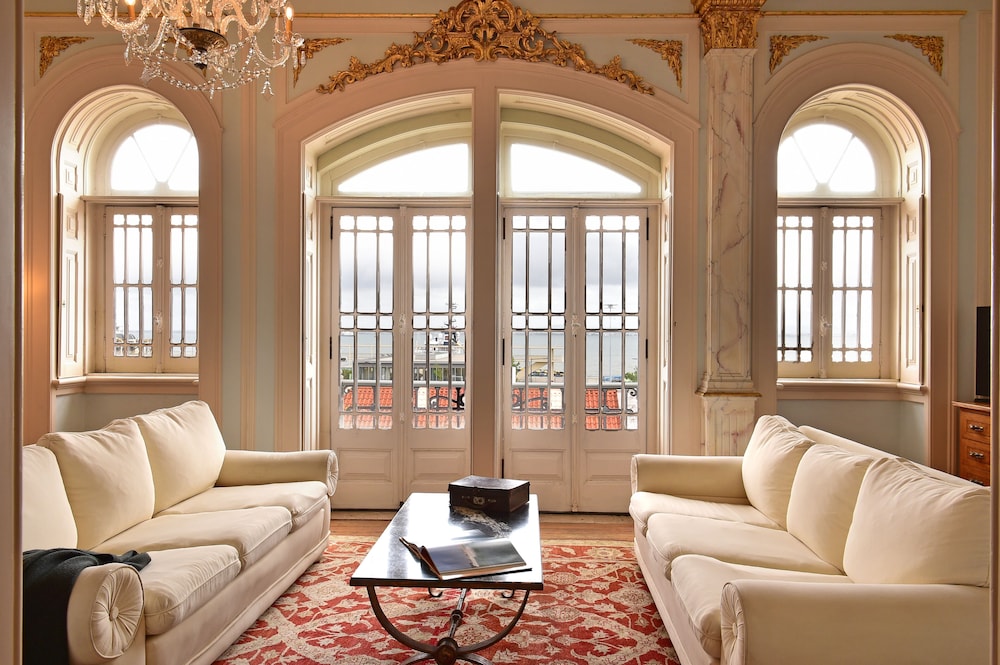 ★ 4.0
★ 4.0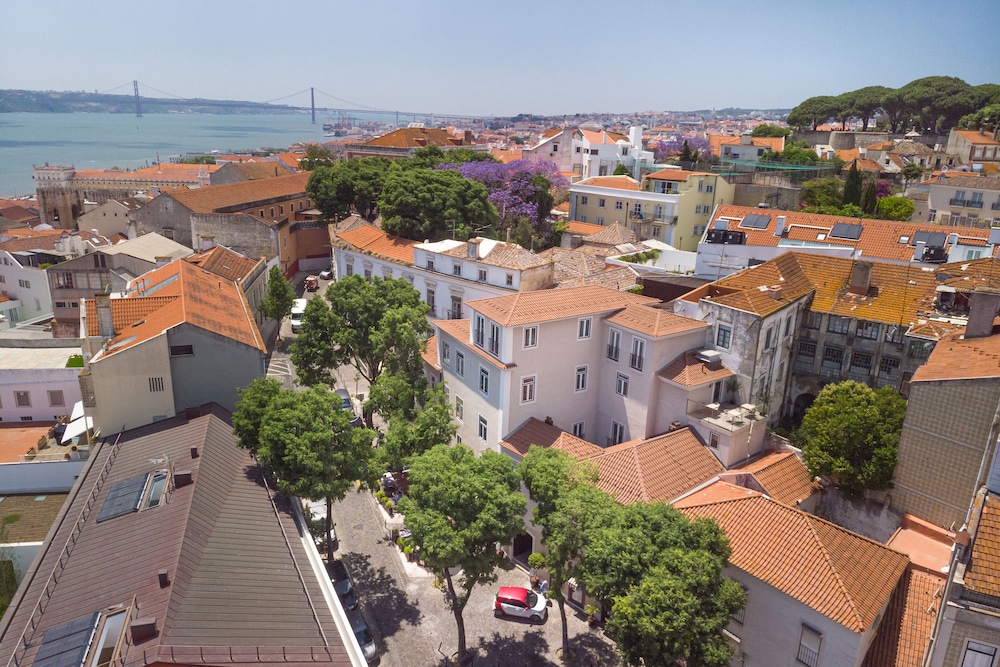 ★ 4.0
★ 4.0On the ground
Things to do in Alfama
- Learn what fado actually is at the Museu do FadoLargo do Chafariz de Dentro 1, entry around €5, closed Mondays. An hour with the audio guide covers Maria Severa, Amália Rodrigues and the guitarra portuguesa, and it makes the evening performances vastly less baffling. Do this on your first afternoon, before you book a fado house.
- Hear fado in a former chapel at Mesa de FradesRua dos Remédios 139, a tiny tiled room that was once a chapel, seating perhaps 30. One late set, typically starting around 11pm; booking is essential and you should expect a minimum spend of roughly €30-40 a head. No talking during the singing — the rule is enforced, and rightly.
- Root through Feira da Ladra flea marketCampo de Santa Clara, Tuesdays and Saturdays roughly 9am to 6pm, spread along the square beside São Vicente de Fora. Genuine junk, old azulejo tiles, brass keys, 1970s records and a lot of nonsense. Cash only, haggle, and arrive by 10am — the good stalls thin out after lunch.
- Be first through the gate at Castelo de São JorgeEntry is about €15 and the crowds are real. Arrive for the 9am opening and you get the ramparts and the view over the grid to the river almost alone. Reach it on foot up Rua do Milagre de Santo António or take bus 737 from Praça da Figueira to the gate.
- Drink on the Moorish wall at Cerca MouraBeside the Miradouro das Portas do Sol on Largo das Portas do Sol, a kiosk-bar built against the old Moorish city wall serves beer around €3 and wine by the glass on a terrace looking straight down over the Alfama rooftops to São Vicente de Fora. Best between 6pm and 8pm.
- Climb the tiled roof of São Vicente de ForaLargo de São Vicente, entry around €5-8, closed Mondays. The cloister holds a huge cycle of 18th-century tile panels illustrating La Fontaine's fables, and the roof terrace gives the best view of the Panteão dome and the river. Combine it with the flea market on a Tuesday or Saturday.
The essentials
Sé to Santa Clara through the alleys (2.8 km)
Start at the Sé cathedral, climb Rua Augusto Rosa to the Miradouro de Santa Luzia, then Portas do Sol. Drop into the maze down Rua Norberto de Araújo under the Moorish wall, wind through Beco do Carneiro and Rua de São Miguel to Largo de São Miguel, out to Rua dos Remédios, then up Calçada de São Vicente to São Vicente de Fora, the Panteão Nacional and Campo de Santa Clara.
Getting there & around
Santa Apolónia is the useful station: blue-line metro terminus and the arrival point for trains from Porto and the night train from Madrid, an 8-12 minute walk from lower Alfama. From the airport, red line to Alameda then blue line to Santa Apolónia takes about 20 minutes for €1.80; a taxi is €13-18 but will only get you to the nearest drivable street. Inside Alfama you walk, and you walk uphill. Tram 28E and 12E climb through on Rua das Escolas Gerais, bus 737 runs Praça da Figueira to the castle, and the Miradouro das Portas do Sol lift on Rua dos Remédios saves one brutal climb.
Good to know
Alfama, questions answered
Can a taxi drop me at my Alfama hotel?
Often not. Most of the district is stepped alley or too narrow for a car, so drivers stop at Largo das Portas do Sol, Largo de São Miguel, Campo das Cebolas or Rua dos Remédios and you walk the rest. Ask your host for the exact drop-off point and the number of steps before you book, and travel with one bag you can carry.
Is Alfama safe to walk at night?
Yes, in the sense that violent crime is rare and residents are around until late. The real risks are unlit steps, polished cobbles after rain, and pickpockets in the tram 28 crush and at the miradouros. Use a phone torch on the becos, keep bags zipped and in front of you on the tram, and stay on Rua dos Remédios rather than cutting through unlit dead ends.
Where do I see fado without a tourist trap dinner?
Two routes. Book a serious fado house such as Mesa de Frades or Casa de Linhares for a late set and pay €30-60 with minimum spend, or find fado vadio — amateur singers taking turns — in small tascas where you pay only for what you drink. Avoid places with a man outside handing out flyers and a €45 fixed menu; the food is the product there, not the music.
How long does it take to walk from Alfama to Baixa?
Eight to twelve minutes downhill from Largo de São Miguel to Praça do Comércio, and twenty to twenty-five back up depending on your route and lungs. The gentlest ascent is Rua da Madalena to Largo da Madalena, then Rua de Santo António da Sé. If you would rather not climb, take tram 12E from Praça da Figueira or bus 737.
Keep exploring
Nearby areas

203 stays
Mouraria
Where fado was born and where half the world now shops for spices. Cheapest central beds, roughest edges.
Stays in Mouraria ↗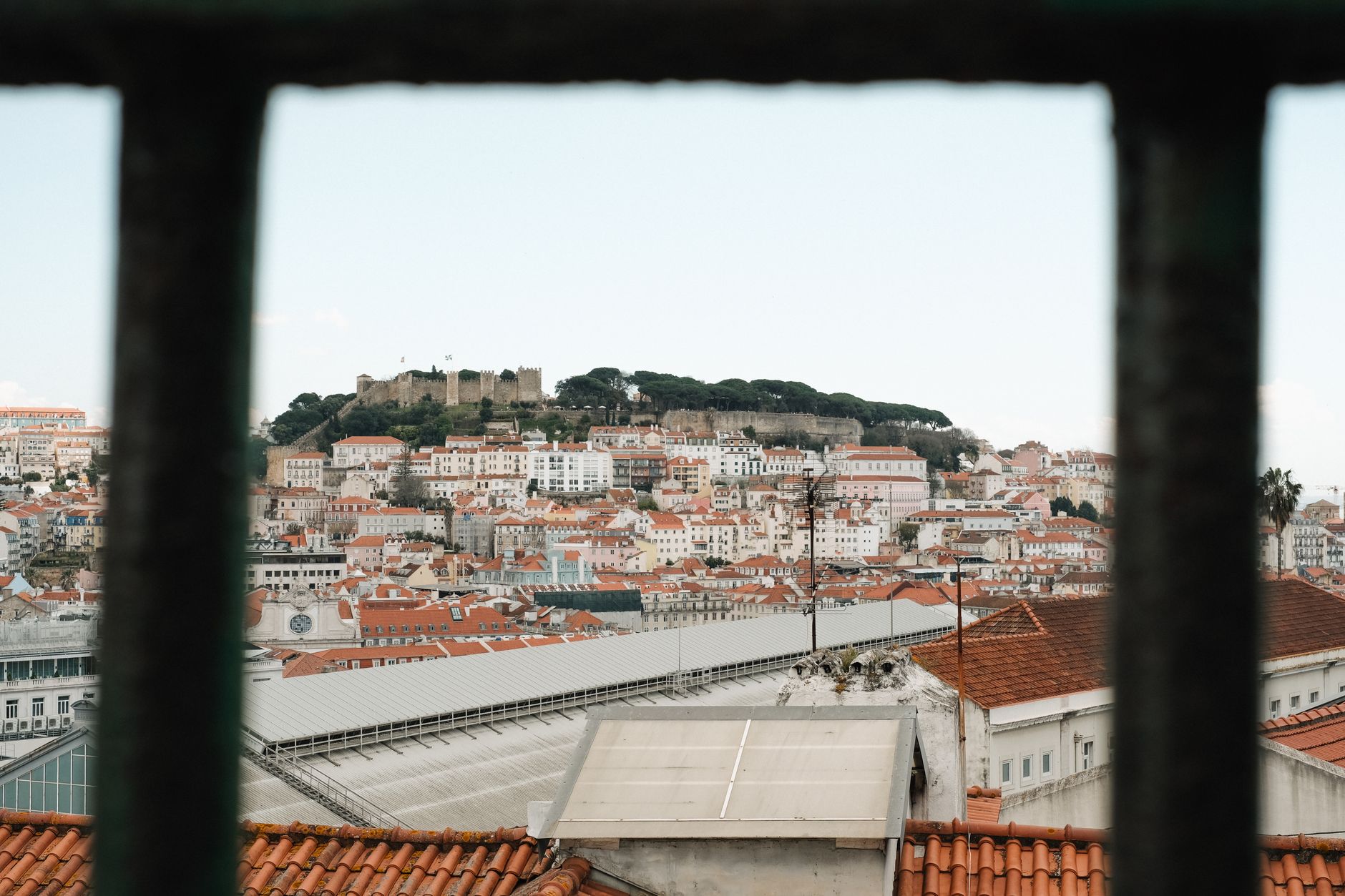
352 stays
Graça
Above Alfama, above the crowds: two of the best viewpoints, real neighbourhood restaurants, and honest prices.
Stays in Graça ↗
100 stays
Baixa
Flat, central, endlessly walkable grid between Rossio and the river. Convenient to a fault, and priced accordingly.
Stays in Baixa ↗Doing good is the business: every booking through LisbonHaven.com funds one verified tonne of carbon removal — same room, same price, no markup.
Search stays