Europe's first World Surfing Reserve: eight serious breaks in four kilometres, a whitewashed fishing town, and cold clean Atlantic.
Ericeira was a fishing village that became, in 2011, the first World Surfing Reserve in Europe — an actual legal designation, not marketing. What it protects is a four-kilometre stretch of coast north of town holding eight named breaks over reef and rock: Pedra Branca, Reef, Crazy Left, Coxos, Cave, São Lourenço, Ribeira d’Ilhas, Empa. Coxos is widely called the best right-hander in Europe and is for very good surfers only. Ribeira d’Ilhas is the contest wave, long and forgiving by comparison, with a café on the cliff above it.
The town itself sits on a low cliff about forty-five kilometres north-west of Lisbon, whitewashed with blue trim, and it still lands fish at Praia dos Pescadores below the Largo das Ribas terrace. Praça da República and Rua Dr. Eduardo Burnay are the centre; the streets around them have gone from grocers to surf shops and speciality coffee over fifteen years, and the transformation is roughly two-thirds complete. Prices reflect it: a plate of grilled sea bass is €18 to €24, a flat white is €2.80, a surf lesson €35 to €45.
Nine in the evening in September is the town at its best — the terraces above Praia do Sul busy, people in wetsuits still walking up from the water, restaurants full and turning tables until eleven. In August it is heaving and parking is a blood sport. In January it is grey, half-shut, and the swell is enormous, which is exactly what a certain kind of visitor wants. The genuinely good surf season here runs roughly September to May, not summer.
Come if you surf, want to learn, or simply like a coast town that is about the sea rather than about sunbathing. Beginners should book onto a school and use Foz do Lizandro, the beach-break river mouth south of town, rather than trying the reefs. Skip Ericeira if you want warm calm water — this is 15 to 18°C Atlantic with rips — or if you need nightlife beyond a dozen bars that close around two. Skip it in August unless you have booked parking with your room.
Where to sleep
The old town between Praça da República, Rua Dr. Eduardo Burnay and Largo das Ribas is where you want to be: everything walkable, sea at the end of every street, guesthouses and small hotels at €70 to €120 in shoulder season, €140 to €220 in August. The surf camps and hostels cluster north along the road towards Ribeira d’Ilhas and south around Foz do Lizandro; both mean a drive or a bus into town for dinner, but a shorter one to the water. Book parking with the room if you have a car — the old town streets are narrow, one-way and full by ten in the morning in summer. Avoid the apartment blocks up at Ericeira's northern edge past the sports complex, which look central on a map and are a fifteen-minute walk uphill from anywhere good. Winter rates drop to €45 to €70 and half the restaurants close.
On the ground
Things to do in Ericeira
- Watch the surf at Ribeira d’IlhasThree kilometres north of town on the coast road, with a cliff-top car park and a café above the reef. This is the World Surf League contest venue, a long right-hand point that works on almost any north-west swell. Even non-surfers should come for an hour — the vantage point is directly above the take-off.
- Learn to surf at Foz do LizandroTwo kilometres south of town at the mouth of the Lizandro river, a wide sandy beach break with a gentler inside section and half a dozen schools operating from vans on the sand. Group lessons €35 to €45 including board and wetsuit. Do not attempt the northern reefs as a beginner; they break over rock.
- Sunset from Largo das RibasThe clifftop terrace directly above Praia dos Pescadores in the middle of town, with the old fishing slipway below and the whole Atlantic in front. There is a small bar. Arrive twenty minutes before sunset in summer to get a wall to sit on; the crowd is entirely local plus whoever has just got out of the water.
- Swim at the Praia do Sul rock poolsBelow the southern end of town, sheltered natural seawater pools cut into the rock platform beside the beach, calm enough to swim in when the open sea is not. Best two hours either side of low tide. Steps down from the promenade near the Ouriço. Locals bring children here rather than to the surf beaches.
- Eat fish at Praia dos PescadoresThe restaurants on the streets climbing up from the fishing beach — around Rua Capitão João Lopes and Rua 5 de Outubro — grill whatever came in that morning. Expect €18 to €24 for sea bass or bream priced by weight, and check the per-kilo rate before ordering. Percebes, when in season, are worth the money once.
- Coast path north to São LourençoA rough clifftop track runs north from the edge of town past Empa, Ribeira d’Ilhas, Cave and Coxos to São Lourenço, roughly five kilometres one way over grass, sand and low scrub, with the reefs breaking below you the whole distance. No shade, no water, one café at Ribeira d’Ilhas. Best in the late afternoon.
The essentials
Town to Coxos on the cliff path (6 km)
Start at Largo das Ribas above the fishing beach, walk north past the Ericeira harbour wall and out onto the clifftop track. You pass Empa, then the wide amphitheatre of Ribeira d’Ilhas with its café, then the sharp reef at Cave, and finally look down on Coxos, the right-hander that made this coast famous. Return the same way or catch the bus back on the N247.
Getting there & around
Mafrense coaches run from Lisbon's Campo Grande terminal to Ericeira in seventy to ninety minutes for about €6, roughly hourly, more often at weekends, dropping at the terminal on Rua Prudêncio Franco da Trindade five minutes from Praça da República. From the airport, take the yellow metro line to Campo Grande and change to the bus — about two hours in total. By car it is the A8 and N116 via Mafra, fifty minutes without traffic. Inside town everything is walkable; the northern breaks need the coastal bus, a bike or a car, and Foz do Lizandro is a twenty-five minute walk south along the cliff.
Good to know
Ericeira, questions answered
When is the best time to surf in Ericeira?
September to May. Autumn gives the best combination of consistent north-west swell, offshore mornings and water still around 18°C. Winter brings the biggest waves and the fewest people but water near 15°C and days when everything is closed out. Summer is the weakest surf season, which surprises people who book July.
Is Ericeira suitable for beginner surfers?
Yes, but only at Foz do Lizandro and Praia do Sul, and preferably with a school. The famous breaks north of town — Coxos, Cave, Reef, Pedra Branca — all break over shallow rock and have localised line-ups. Group lessons run €35 to €45 with board and wetsuit and most schools operate year-round.
How do I get from Lisbon to Ericeira without a car?
Take the yellow metro line to Campo Grande and pick up a Mafrense coach from the terminal there. Journey time is seventy to ninety minutes depending on whether the service routes via Mafra, and the fare is around €6 each way. Buses run roughly hourly, with the last return in the evening.
Is Ericeira better than Cascais for a week?
For surfing and for a quieter, less polished town, yes — and it is cheaper. For day trips into Lisbon, no: Cascais has a train every twenty minutes and Ericeira has a bus that takes twice as long. Choose Ericeira if the coast is the point, Cascais if the city is.
Keep exploring
Nearby areas

1 stays
Mafra
One colossal baroque palace-convent, a royal hunting park full of deer, and a small town that exists around both.
Stays in Mafra ↗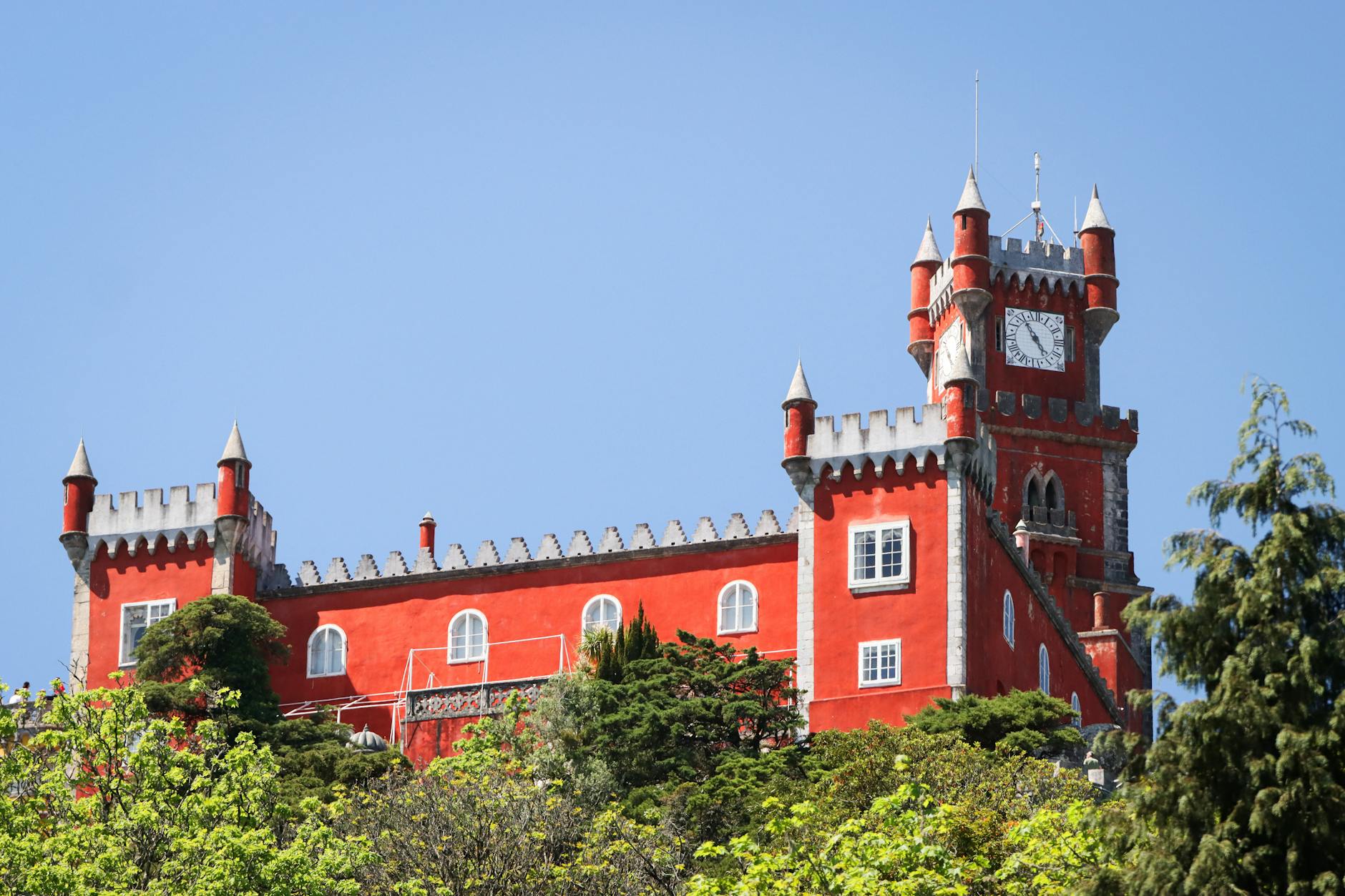
6 stays
Sintra
A UNESCO hill town 40 minutes from Lisbon: romantic palaces, dense forest, its own microclimate and brutal day-tripper crowds.
Stays in Sintra ↗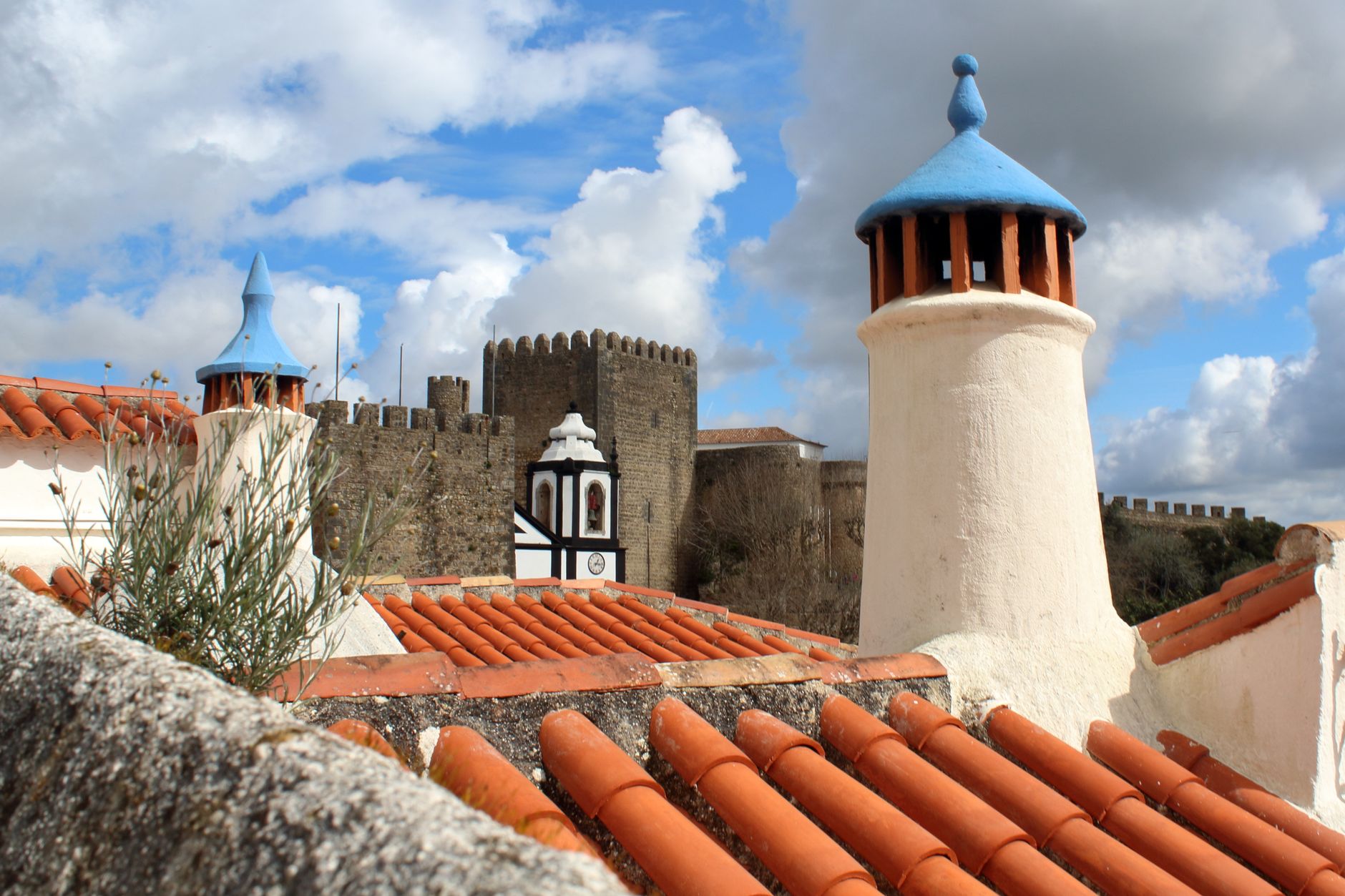
176 stays
Óbidos
Complete medieval walled village 85 km north of Lisbon — a day-trip circus by noon, and yours alone after six.
Stays in Óbidos ↗Doing good is the business: every booking through LisbonHaven.com funds one verified tonne of carbon removal — same room, same price, no markup.
Search stays